Introduction: The Modern Business Dilemma
In today’s hyper-competitive marketplace, business leaders face a dual mandate: maintain uncompromising product quality to satisfy discerning consumers, while drastically reducing environmental impact to meet stringent global sustainability goals. For decades, traditional packaging plastics—such as rigid polystyrene, non-biodegradable films, and thick poly mailers—served as the default choice for ensuring that goods reached customers undamaged.
However, mounting ecological crises and tightening regulatory frameworks mean that businesses can no longer rely on cheap, polluting plastics. A common hesitation among manufacturers and retailers is the fear that eliminating plastic will compromise product integrity, increase transit damage rates, or inflate costs. Fortunately, recent material science innovations prove this fear is unfounded. Businesses can successfully eliminate plastic waste without sacrificing an ounce of product quality. Let us examine how.
| Key Reality: Sustainable packaging innovations now match or exceed the protective performance of traditional plastics across retail, food, and e-commerce sectors. |
Deconstructing the Myth: Quality Versus Sustainability
Historically, early iterations of eco-friendly packaging often fell short. Early paper alternatives tore easily, and bio-based plastics lacked the tensile strength and moisture barrier properties required for rigorous supply chains. This created a persistent myth in boardroom discussions: that choosing sustainability meant accepting higher rates of product spoilage, transit damage, and customer complaints.
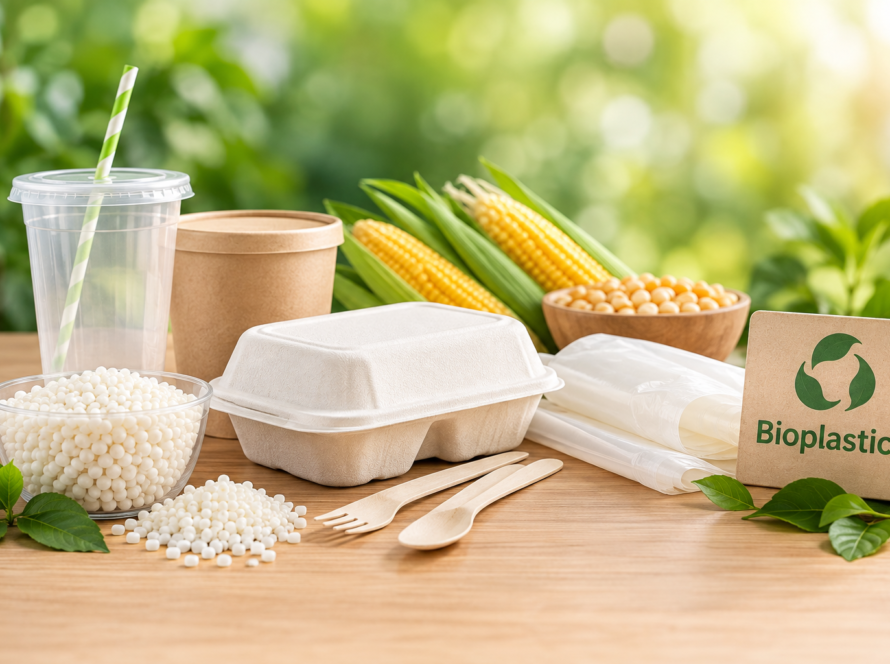
Today, that narrative is entirely outdated. Advanced material engineering has yielded high-performance compostable polymers, reinforced plant-based fibers, and smart cushioning materials that offer exceptional puncture resistance, waterproof barriers, and shock absorption. Quality and sustainability are no longer competing forces; they are mutually reinforcing pillars of modern enterprise success.
Actionable Strategies for Reducing Plastic Waste
Enterprises looking to minimize their plastic footprint without jeopardizing product standards can implement several proven strategies:
• Audit Existing Packaging Flows: Conduct a comprehensive supply chain audit to identify areas of over-packaging, single-use film usage, and rigid plastic reliance.
• Adopt Certified Compostable Alternatives: Replace traditional poly bags, bubble mailers, and stretch wraps with certified compostable counterparts that offer identical mechanical protection.
• Redesign for Minimalist Efficiency: Optimize box sizing and cushioning geometry to reduce total material volume while maintaining maximum structural protection.
• Partner with Certified Material Experts: Collaborate with trusted innovators like Proviva Organics Pvt Ltd to source reliable, high-grade sustainable packaging solutions tailored to your exact operational specifications.
| Strategic Advantage: Proactive waste reduction protects businesses from impending carbon taxes, plastic levies, and tightening regulatory prohibitions. |
Maintaining Product Integrity Across the Supply Chain
Ensuring product quality while eliminating plastic requires rigorous testing protocols. When transitioning to new sustainable packaging formats, businesses should subject shipments to drop tests, vibration simulations, and moisture exposure trials.
Modern compostable resins are specifically engineered to withstand diverse climate conditions, ensuring that goods remain dry, secure, and pristine during long-distance transit. By validating material performance prior to full-scale deployment, brands protect their bottom line and their hard-earned customer trust.
The Financial and Brand Dividends of Going Plastic-Free
Eliminating plastic waste is not merely an environmental obligation; it is a powerful driver of commercial value. Modern consumers—particularly Millennials and Gen Z—actively gravitate toward brands that demonstrate authentic ecological responsibility.
Furthermore, optimizing material usage reduces volumetric shipping weights, translating directly to lower freight costs. When businesses combine superior product quality with certified sustainable packaging championed by leaders like Proviva Organics Pvt Ltd, they build resilient, future-proof brands that resonate deeply with today’s conscious marketplace.