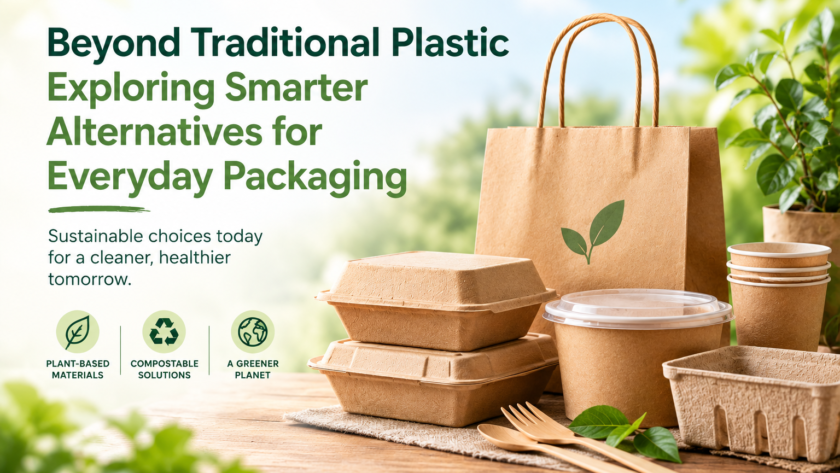
Packaging rarely gets credit for the role it plays in a brand's reputation. A customer may forget a product description, but they remember the bag it arrived in, the film that wrapped it, and what they did with that material afterwards. For years the default answer was conventional plastic: cheap, light and strong, yet slow…
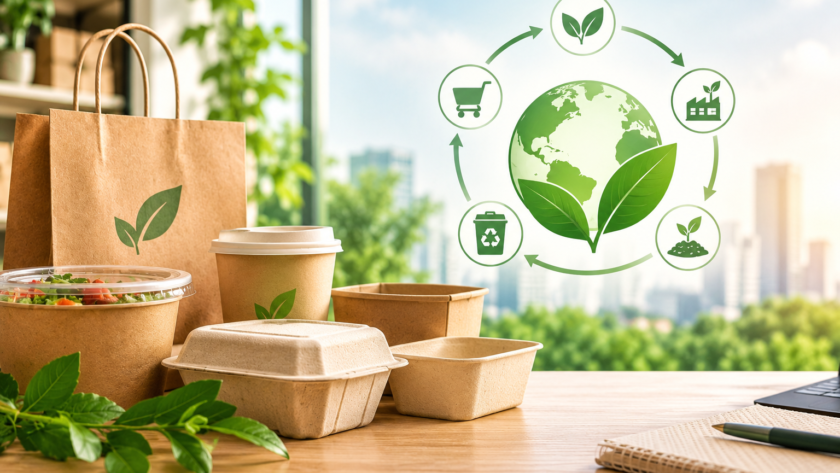
Plastic has travelled into almost every corner of the economy, from supermarket checkout counters to nursery benches and courier warehouses. That reach is exactly why plant-based packaging matters. When a better material can be used across so many sectors, the combined effect on waste can be significant. Different industries, though, ask different things of their…
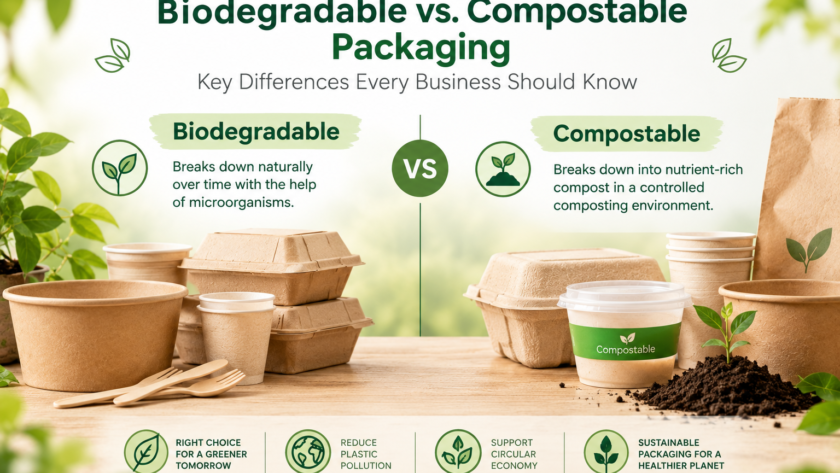
Walk through any packaging catalogue and you will meet two words used almost interchangeably: biodegradable and compostable. They sound alike, and many suppliers treat them as synonyms. They are not. For a business, mixing them up can lead to wrong purchasing decisions, misleading product labels and unhappy customers who followed the instructions and still ended…
Few materials have shaped modern life as thoroughly as plastic. It keeps food fresh, protects goods in transit and costs very little. Yet the same qualities that make it so useful also make it stubborn, because it can remain in the environment long after a product has served its purpose. Businesses and households are now…
Introduction: The Modern Business Dilemma
In today's hyper-competitive marketplace, business leaders face a dual mandate: maintain uncompromising product quality to satisfy discerning consumers, while drastically reducing environmental impact to meet stringent global sustainability goals. For decades, traditional packaging plastics—such as rigid polystyrene, non-biodegradable films, and thick poly mailers—served as the default choice for ensuring that…
Introduction: The Hidden Footprint of Product Protection
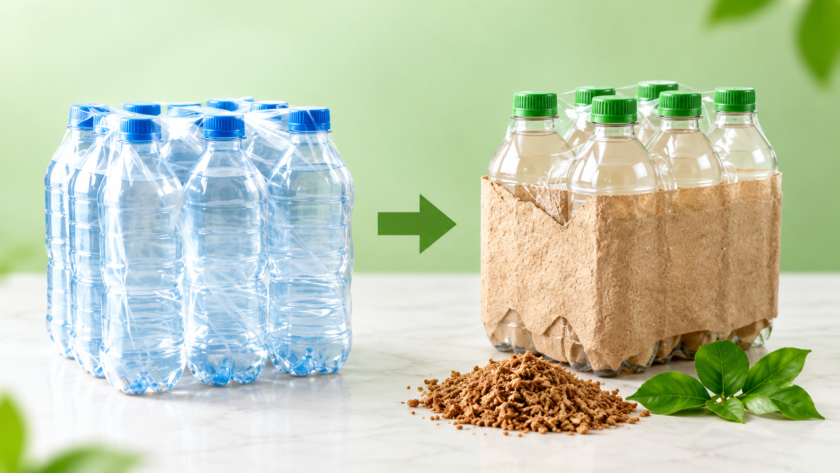
In modern manufacturing, logistics, and retail, product protection is paramount. Whether transporting delicate electronics, perishable foodstuffs, textiles, or heavy industrial hardware, goods must withstand transit vibrations, moisture, dust, and handling shocks. For decades, traditional shrink film, stretch wrap, and polyethylene bubble packaging have served as the industry standard…