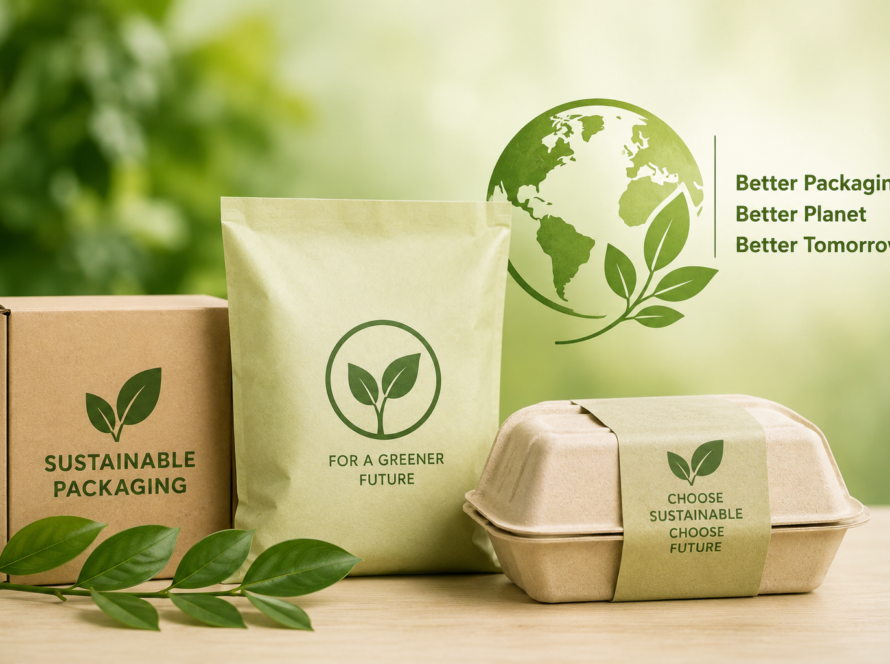
The business world is rapidly changing as companies across industries adapt to evolving customer expectations and environmental responsibilities. One of the biggest shifts in recent years has been the growing focus on sustainable packaging. Businesses today are no longer looking only at product quality and profitability; they are also considering the environmental impact of their operations. Sustainable packaging has become an important solution for organizations seeking to reduce waste, improve brand reputation, and contribute to a healthier planet.
Consumers are increasingly aware of environmental challenges such as plastic pollution, excessive waste generation, and resource depletion. This awareness has significantly influenced buying behavior. Modern customers now prefer brands that demonstrate social responsibility and eco-conscious practices. As a result, businesses are adopting sustainable packaging strategies not only as environmental initiatives but also as essential components of long-term business growth.
Sustainable packaging refers to packaging solutions designed to minimize environmental impact throughout their lifecycle. This includes using recyclable, biodegradable, compostable, reusable, or renewable materials. The goal is to reduce waste while maintaining product protection, functionality, and visual appeal.
Traditional packaging methods often rely heavily on plastics and non-biodegradable materials. Although these materials may provide convenience and durability, they create long-term environmental concerns. Landfills continue expanding, and plastic waste increasingly affects ecosystems worldwide. Businesses now recognize the need to move toward packaging solutions that support sustainability goals.
One major reason sustainable packaging is transforming modern businesses is changing consumer demand. Today’s customers want transparency from brands. They prefer companies that align with their personal values and environmental priorities. Businesses adopting eco-friendly practices often gain stronger customer trust and loyalty.
Brand perception has become closely connected with sustainability efforts. Companies implementing environmentally responsible packaging strategies frequently improve their public image. Consumers tend to support brands that demonstrate commitment to reducing environmental harm. Positive perceptions can lead to stronger customer relationships and long-term brand value.
Sustainable packaging also supports regulatory compliance. Governments across various regions continue introducing policies designed to reduce plastic consumption and encourage environmentally friendly alternatives. Businesses adopting sustainable practices early often gain competitive advantages by staying ahead of regulatory changes and industry standards.
Cost efficiency is another important factor contributing to the rise of sustainable packaging. Although some businesses initially assume eco-friendly solutions require higher investment, long-term benefits often outweigh short-term costs. Lightweight materials can reduce transportation expenses, while optimized packaging designs help lower material usage and storage costs.
Innovation plays a major role in the development of sustainable packaging solutions. Businesses increasingly explore creative alternatives such as biodegradable materials, plant-based packaging, compostable products, recycled materials, and minimal packaging designs. These innovations enable companies to maintain product quality while improving environmental performance.
Many industries are now integrating sustainability into their operational strategies. Food manufacturers, retail brands, healthcare companies, electronics businesses, and e-commerce organizations actively seek packaging methods that reduce waste generation. Sustainable packaging has evolved from being an optional practice into a business necessity.
E-commerce growth has further accelerated the demand for environmentally responsible packaging. Online shopping requires significant packaging materials for product transportation and protection. Excessive packaging waste has become a growing concern among consumers and environmental organizations. Businesses are responding by introducing recyclable materials and reducing unnecessary packaging layers.
Corporate sustainability initiatives also influence packaging decisions. Many organizations now establish environmental goals that include waste reduction and carbon footprint management. Packaging improvements contribute significantly toward achieving broader sustainability objectives.
Companies that prioritize sustainable packaging often strengthen their market positioning. Competitive industries increasingly reward businesses demonstrating innovation and environmental responsibility. Customers are more likely to support brands actively contributing to sustainability efforts.
Organizations such as Proviva Organics Pvt Ltd contribute to advancing eco-friendly packaging solutions that help businesses adopt greener alternatives. Companies focusing on sustainable innovation play important roles in supporting industries moving toward responsible packaging practices.
Another advantage of sustainable packaging is improved resource efficiency. Reducing material consumption and using renewable resources helps preserve natural ecosystems and minimize environmental pressure. Responsible resource management supports both business sustainability and global environmental goals.
Employee engagement also benefits from sustainability initiatives. Workers increasingly prefer organizations that demonstrate ethical values and environmental commitment. Companies adopting responsible practices often experience stronger workplace culture and employee satisfaction.
Sustainable packaging additionally creates opportunities for product differentiation. In crowded markets, businesses seek unique ways to stand out. Environmentally friendly packaging can become a significant selling point that attracts customers seeking responsible purchasing options.
Businesses today understand that sustainability extends beyond marketing strategies. Genuine environmental commitment requires practical implementation across operations. Packaging decisions directly influence waste generation and environmental impact, making them critical areas for improvement.
Technology continues supporting advancements in sustainable packaging solutions. Research and development efforts produce innovative materials that offer strength, functionality, and environmental benefits simultaneously. These developments create opportunities for businesses to enhance both operational efficiency and sustainability outcomes.
Organizations including Proviva Organics Pvt Ltd continue supporting industries seeking eco-conscious packaging alternatives designed for modern business needs. Such efforts encourage broader adoption of sustainable practices and help companies transition toward environmentally responsible operations.
The future of business increasingly depends on balancing profitability with environmental responsibility. Sustainable packaging reflects this shift by enabling companies to reduce ecological impact while meeting customer expectations and industry demands.
As global awareness surrounding sustainability continues growing, businesses embracing environmentally friendly packaging solutions position themselves for long-term success. Sustainable packaging is no longer simply a trend; it represents an essential transformation shaping the future of modern business practices. Companies investing in greener solutions today are helping build a more responsible and sustainable tomorrow.